PUWER Inspection for Cranes: What to Check
PUWER inspection for cranes identifies unsafe controls, guards and maintenance gaps, helping protect people, uptime and audit-ready compliance records.
CraneCert · 13 October 2026
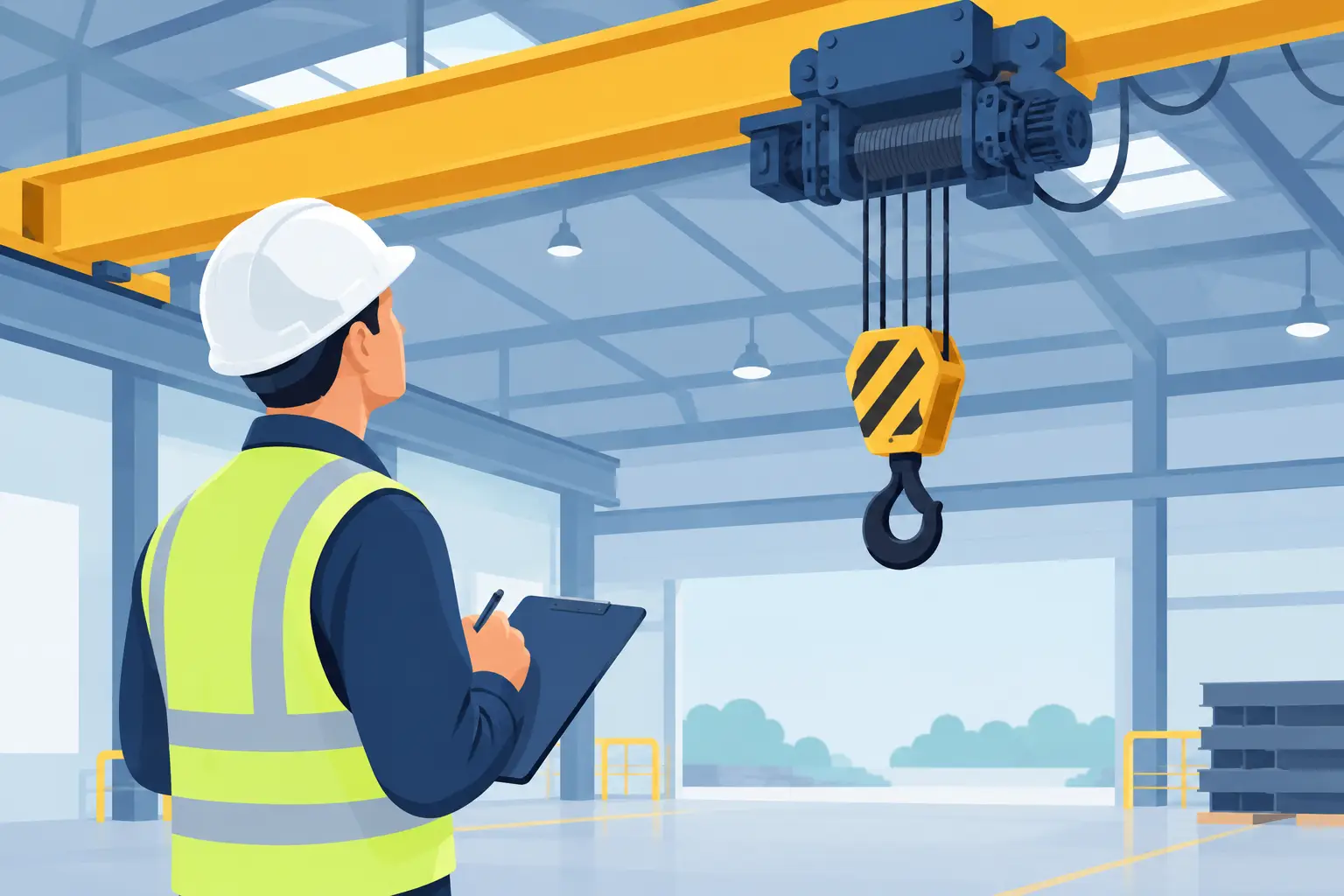
A crane can pass a lifting examination and still present a daily workplace risk. Worn pendant controls, damaged guards, unreliable travel limits or poor access for maintenance can all affect safe operation. A PUWER inspection for cranes addresses these wider risks, helping dutyholders keep equipment safe between thorough examinations and avoid avoidable production stoppages.
For facilities and engineering teams, the question is not simply whether a crane can lift its rated load. It is whether the crane, its controls, safety devices and operating environment remain suitable for the people using it every shift.
What is a PUWER inspection for cranes?
PUWER is the Provision and Use of Work Equipment Regulations 1998. The regulations require work equipment to be suitable for its intended purpose, properly maintained, inspected where deterioration could create a risk, and used only by people with appropriate information, instruction and training.
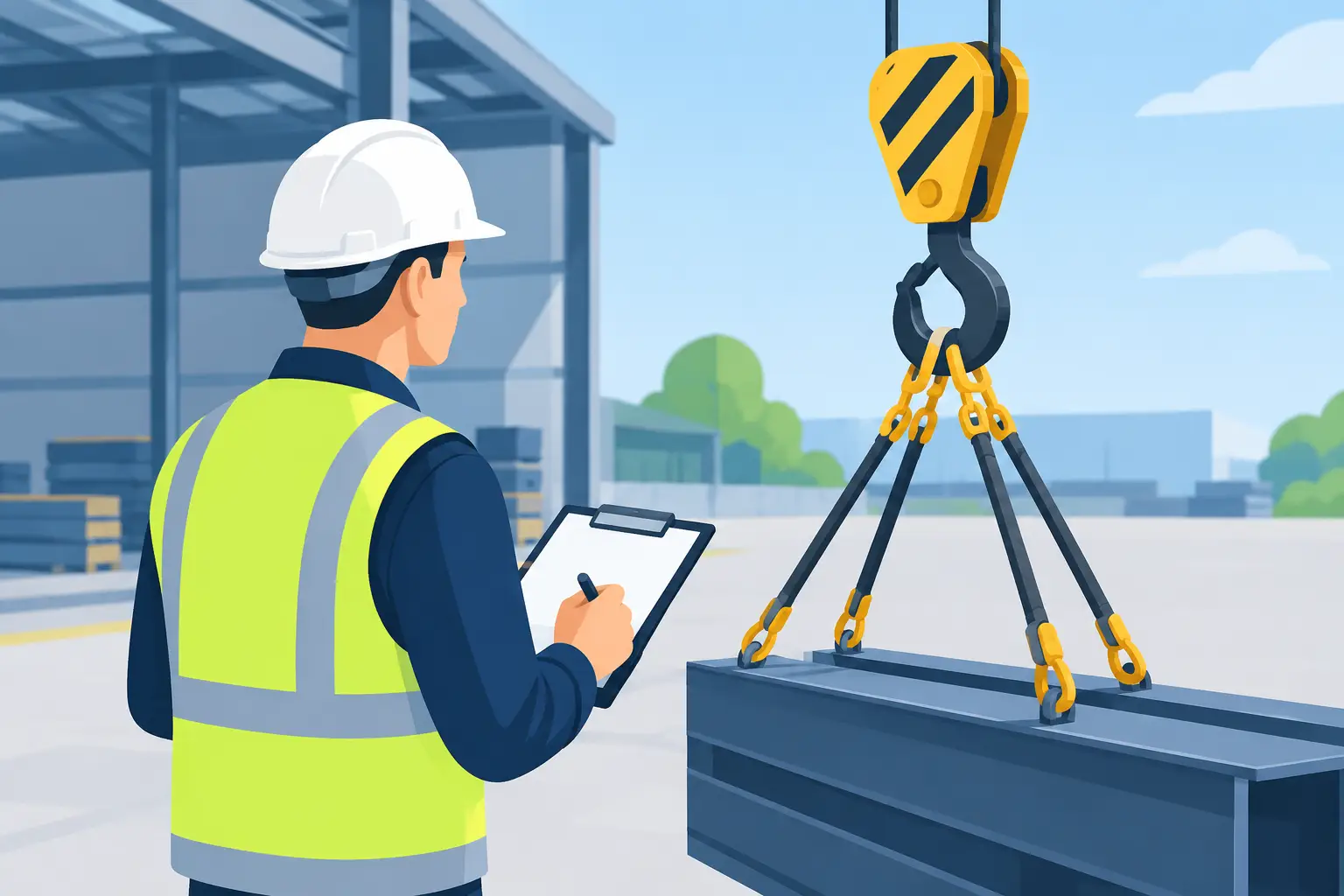
For an overhead crane, gantry crane, jib crane or associated hoist, a PUWER inspection examines the condition and safe use of the equipment as work equipment. It looks beyond the lifting components alone. The inspection considers whether the crane can be operated, isolated, accessed and maintained safely in the environment where it is installed.
This matters because the risks are often found in the details that become normal on a busy site: a control pendant with a split cable sheath, an emergency stop that is difficult to reach, a missing drive cover, a poorly marked exclusion zone or an operator asked to use equipment in a way it was not designed to handle.
PUWER and LOLER are related, but not the same
LOLER and PUWER both apply to most workplace cranes, but they have different purposes.
LOLER focuses on lifting operations and lifting equipment. A LOLER thorough examination assesses lifting-related safety-critical parts, such as the hoist, hook, rope or chain, brakes and load-bearing structure. It also confirms whether the equipment remains safe to use for lifting. In many cases, lifting equipment used for lifting people requires examination every six months, while most other lifting equipment is examined every 12 months, unless a written examination scheme specifies otherwise.
PUWER has a broader operational scope. It considers whether the crane is suitable, maintained and safely controlled as workplace machinery. That can include guarding around moving machinery, electrical condition, control reliability, warning devices, isolation arrangements, access routes, operator visibility and the condition of the runway or surrounding work area.
A current LOLER certificate does not remove the need to manage PUWER duties. Equally, a PUWER inspection is not a substitute for a LOLER thorough examination. The practical value comes from managing both together, alongside planned maintenance, so defects are identified before they become a failed examination, a breakdown or an incident.
What should a crane PUWER inspection cover?
The precise scope depends on the crane type, duty cycle, age, location and how it is used. A crane in a fabrication bay running all day requires a different inspection emphasis from a lightly used jib crane in a maintenance workshop. However, a competent inspection should normally assess the following areas:
- suitability of the crane and hoist for the loads, lifting paths and working environment;
- condition and function of pendant controls, radio controls, emergency stops, limit switches and warning devices;
- guarding of accessible moving parts, including couplings, shafts, wheels and drives where applicable;
- electrical equipment, cable management, festoon systems, isolators and protection against accidental energisation;
- safe access for operators, maintenance personnel and inspectors, including platforms, walkways and ladders;
- identification markings, rated capacity information, operating instructions and clear defect reporting arrangements;
- signs of deterioration, unauthorised modification, poor housekeeping or misuse that could create a risk.
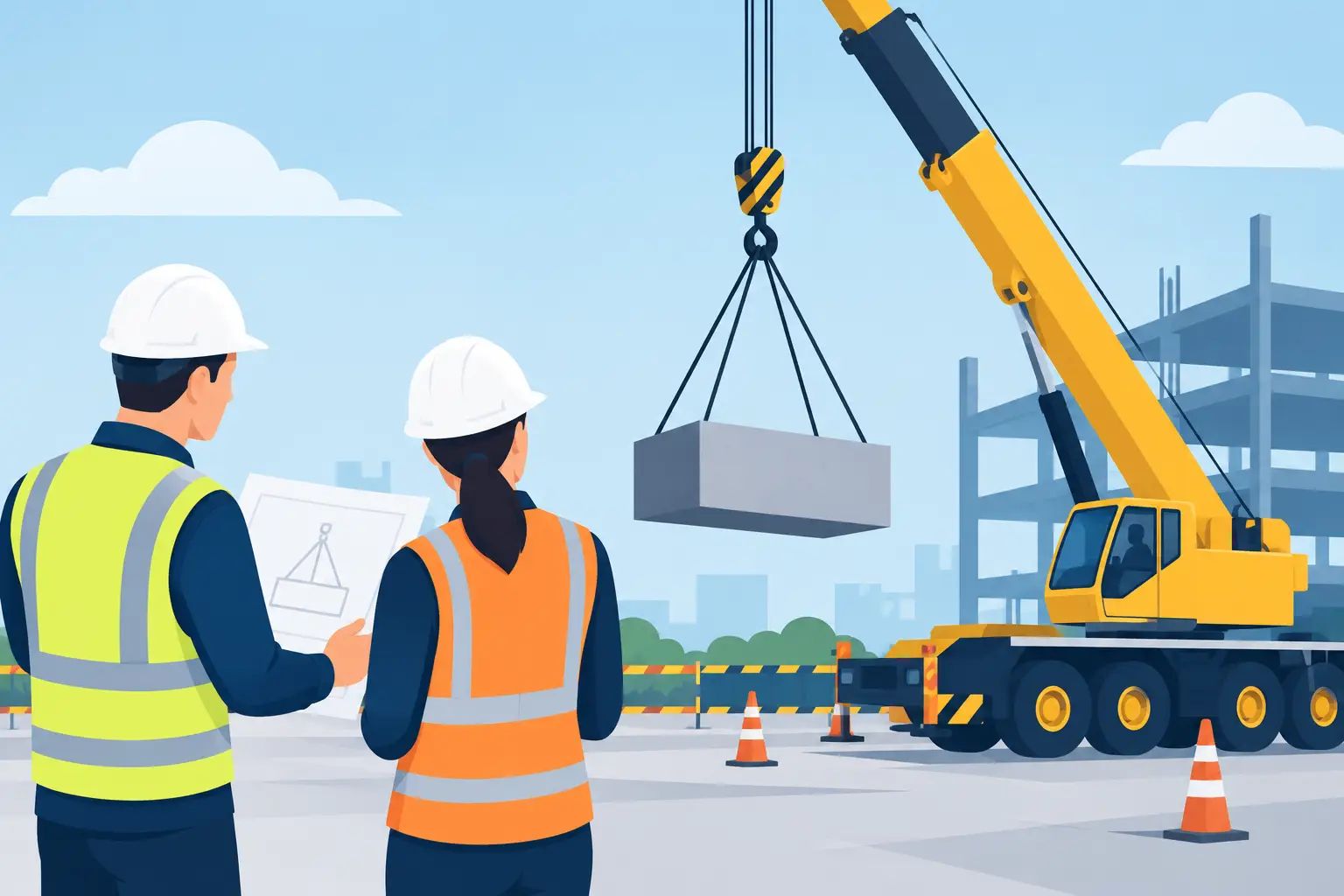
The inspection should also consider the way the crane is actually operated. For example, a crane may have been specified for straightforward vertical lifts but is routinely used for side pulling, handling long loads without adequate control, or lifting close to obstructions. Those are operational issues with direct safety and equipment-life consequences.
Frequency: inspect to the risk, not just the calendar
PUWER does not set a single fixed inspection interval for every crane. It requires inspection at suitable intervals where equipment is exposed to conditions that could cause deterioration and lead to danger. For cranes, a sensible frequency is determined by use, environment, previous defects and manufacturer guidance.
High-duty equipment in steelwork, manufacturing, waste handling or outdoor yards may need closer monitoring than equipment used occasionally in a clean, controlled workshop. Heat, dust, moisture, corrosive substances, vibration and repeated shock loading all accelerate deterioration.
A planned maintenance visit can provide the right opportunity to inspect functional and safety-related items, provided the work is properly scoped, recorded and carried out by a competent person. The aim is not to create paperwork for its own sake. It is to find developing problems early, plan repairs around production and maintain a defensible record of control.
The defects that cause disruption
Some crane defects are obvious. A damaged hook, broken rope or failed brake will demand immediate attention. Others develop quietly and are more likely to be missed without routine inspection.
Pendant cable damage is a common example. Repeated dragging, snagging or poor storage can expose conductors and create unreliable control signals. Travel limit switches may become damaged or misadjusted, allowing over-travel into end stops. Worn collector shoes, loose electrical terminals and degraded festoon systems can cause intermittent faults that stop a crane mid-production.
Guarding and access are equally important. If a drive cover is missing, a maintenance platform is obstructed, or a local isolator cannot be safely locked off, routine tasks become higher-risk tasks. These issues may not stop a lift immediately, but they can put operators and maintenance teams in an unacceptable position.
Where a defect presents serious and immediate danger, the crane or affected function should be removed from service until it is made safe. Where the risk is controlled but repair is still required, the defect should be recorded, prioritised and assigned a clear completion date. Leaving minor defects unresolved is how a manageable repair becomes unplanned downtime.
Competence and records matter during an audit
Responsibility for PUWER compliance sits with the employer or dutyholder, even when inspection and maintenance are outsourced. That makes competence and documentation essential. A useful report should identify the equipment, its location, the checks completed, defects found, risk priority and recommended actions. It should also show when remedial work has been closed out.
For multi-crane sites, scattered paper certificates make this unnecessarily difficult. Cloud-managed records give maintenance and operations teams a current view of inspection status, outstanding defects and compliance dates. When an auditor, insurer or customer asks for evidence, it should be available immediately rather than being searched for in a filing cabinet or a departed employee's inbox.
CraneCert supports this approach by combining PUWER inspections with planned servicing, LOLER thorough examinations and repair support across Yorkshire, the Midlands and the North of England. The benefit is practical: the engineer identifying a developing issue can help plan the repair, rather than simply recording a problem and leaving the site to manage the consequences alone.
Make PUWER part of production control
The strongest inspection regimes do not treat compliance as an annual event. Operators know how to report faults. Supervisors understand when equipment must be taken out of service. Maintenance teams have visibility of recurring defects, and managers can plan investment before ageing components create repeated disruption.
Start with the equipment that production cannot afford to lose. Confirm that its PUWER inspection scope reflects how it is used, not merely what is written on an old asset register. Then ensure defects are tracked through to completion. Safe lifting and reliable output are not competing priorities, on a well-managed site, each protects the other.