Lifting Compliance That Keeps Production Moving
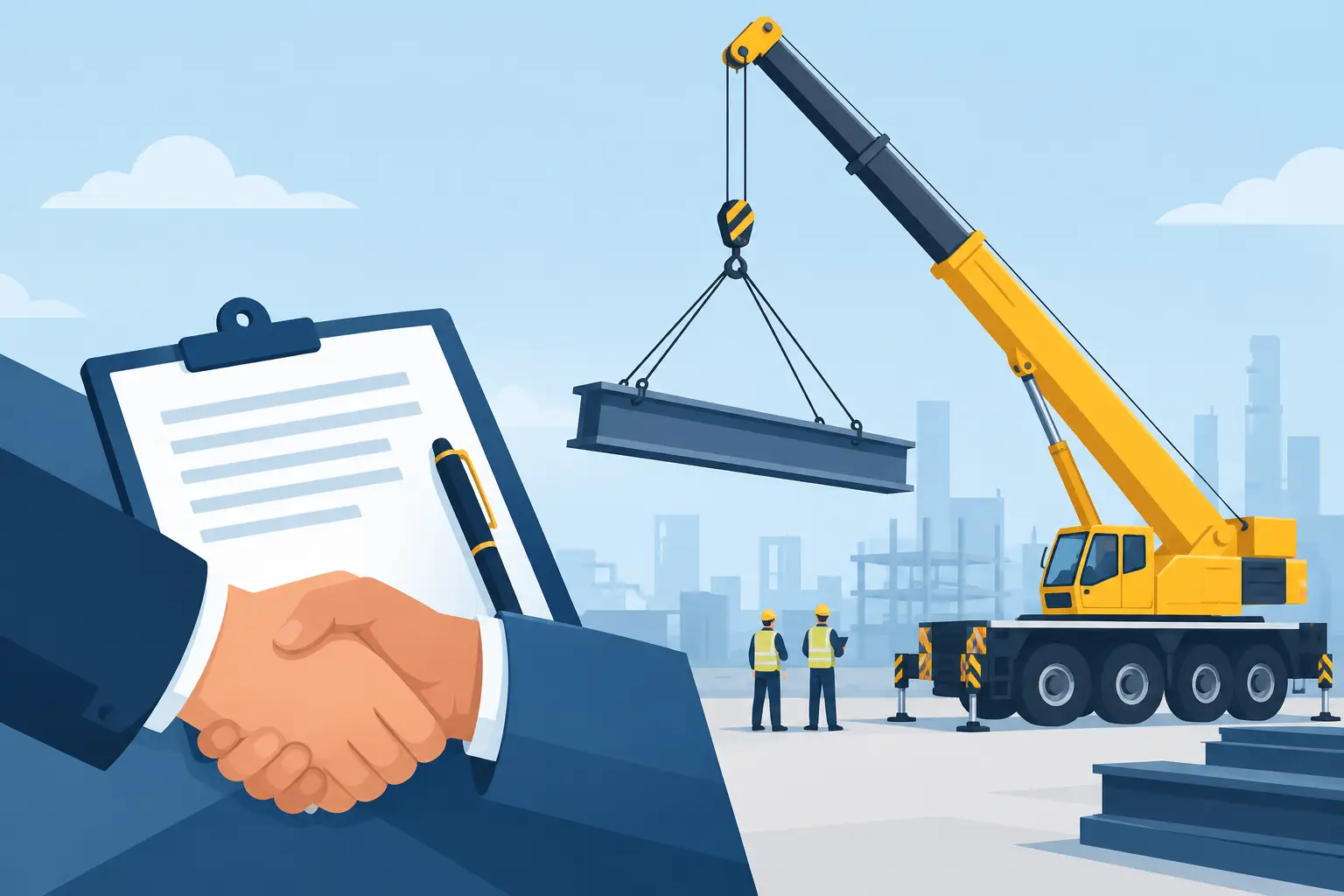
Lifting compliance protects people, prevents avoidable downtime and gives your business instant, audit-ready evidence that every lift is under control.
CraneCert · 26 October 2026
A crane can look serviceable, lift yesterday’s load without complaint and still leave your business exposed. A worn brake, damaged wire rope, missing inspection record or altered lifting arrangement can turn a routine movement into an incident, a failed audit or a costly stoppage. Lifting compliance is the practical control that prevents those gaps from building up.
For facilities and engineering teams, the issue is not simply whether a certificate is in date. You need equipment that is safe to use, examined at the right intervals, maintained for its duty and supported by records that can be produced immediately. That protects people first, but it also protects production plans, delivery commitments and operating margins.
What lifting compliance means in practice
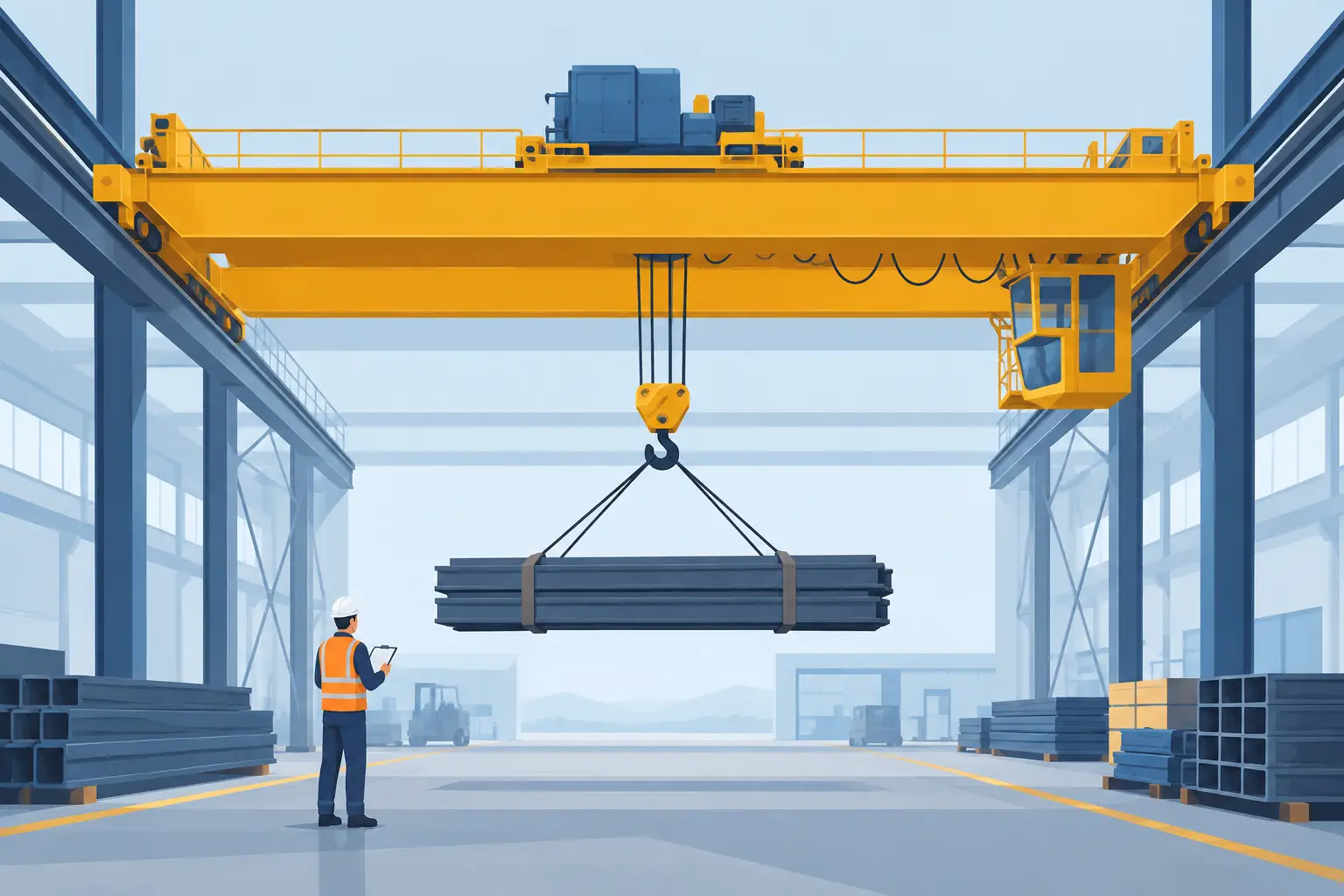
Lifting compliance is the combined management of lifting equipment, lifting operations, competent examination, maintenance and documentation. In an industrial setting, it applies to overhead travelling cranes, gantry cranes, jib cranes, hoists, slings, lifting beams, shackles and other accessories used to raise or support loads.
The main legal framework is usually the Lifting Operations and Lifting Equipment Regulations 1998, known as LOLER, alongside the Provision and Use of Work Equipment Regulations 1998, known as PUWER. LOLER focuses on the safety of lifting equipment and lifting operations. PUWER covers whether work equipment is suitable, maintained, inspected and used by properly trained people.
These duties overlap in day-to-day operations. A valid LOLER thorough examination report does not mean the crane needs no maintenance. Equally, a recently serviced crane is not automatically covered for a statutory thorough examination. Both controls are needed, alongside safe working practices and competent operators.
The difference between a thorough examination and maintenance
Confusing these two activities is one of the most common compliance failures. They have different purposes and should be planned separately.
A LOLER thorough examination is a detailed, independent inspection by a competent person. Its purpose is to identify defects that could make equipment unsafe and to determine whether it remains safe for continued use. The examiner records findings in a report, including any defects that need attention and, where appropriate, whether the equipment is safe to use.
Planned maintenance is the engineering work that keeps the crane reliable between examinations. It may include lubrication, brake adjustment, electrical checks, gearbox inspection, limit-switch testing, wheel and runway checks, wire-rope assessment, replacement of worn parts and functional testing. Its frequency should reflect the crane’s age, condition, environment and duty cycle.
A fabrication bay running two shifts with frequent heavy lifts needs a different maintenance regime from a lightly used workshop jib crane. Dust, heat, moisture, corrosive processes, outdoor use and high utilisation all increase wear. A fixed annual visit may be insufficient if the actual risk profile points to more frequent intervention.
How often equipment needs examining
LOLER sets standard intervals for thorough examination, but the right programme must account for the equipment and how it is used. Lifting equipment used for lifting people generally requires examination every six months. Most lifting accessories also require examination every six months. Other lifting equipment is commonly examined every 12 months.
There are exceptions. A competent person can establish a written examination scheme for particular equipment, setting intervals based on risk and condition. Equipment must also be thoroughly examined after exceptional circumstances that may have affected its safety. That could include overload, impact damage, major modification, a serious fault, long periods out of use or exposure to abnormal conditions.
Do not treat the calendar date as the whole compliance plan. If a wire rope shows deterioration, a brake is slipping or a limit switch is unreliable, the equipment needs attention now, not at the next scheduled visit. Operators and supervisors must have a clear route for taking suspect equipment out of service and reporting the issue.
Where lifting compliance commonly breaks down
Most sites do not fail because they deliberately ignore safety. They fail because responsibility is fragmented. One team manages the crane, another buys lifting accessories, a contractor carries out repairs, and certificates sit in different inboxes or paper files. During an audit or incident investigation, nobody can quickly show the full picture.
The highest-risk gaps are often straightforward:
- Thorough examination dates are missed because no central register or reminder process exists.
- Defects are noted but repairs are delayed without a documented risk decision or clear restriction on use.
- Lifting accessories are moved between bays and lose their identification, inspection status or traceable records.
- A crane is modified, upgraded or repaired without confirming the impact on its safe working load, controls and certification.
- Operators continue using equipment with known faults because production pressure has overtaken the isolation process.
Each issue is manageable. Left unresolved, they create uncertainty over whether equipment is safe and whether the business can demonstrate control. That is where a minor defect becomes an operational and legal problem.
Build a lifting compliance system around the actual site
A workable system should make the safe choice the easy choice for operators, maintenance teams and managers. Start with a complete asset register. Every crane, hoist and lifting accessory should have a unique identifier, location, safe working load, examination due date, maintenance history and accessible record of defects and repairs.
Next, separate statutory examination from planned maintenance in the schedule. This avoids the assumption that one visit covers everything. Align maintenance intervals with operating hours, loads, environment and manufacturer guidance, then review the plan after repeated faults, changes in production or significant equipment ageing.
Pre-use checks also matter. They are not a substitute for a thorough examination, but they provide the earliest warning of a developing fault. Operators should know what normal operation looks and sounds like, and have authority to stop using equipment where controls, brakes, hooks, ropes, pendant controls, warning devices or travel movements appear unsafe.
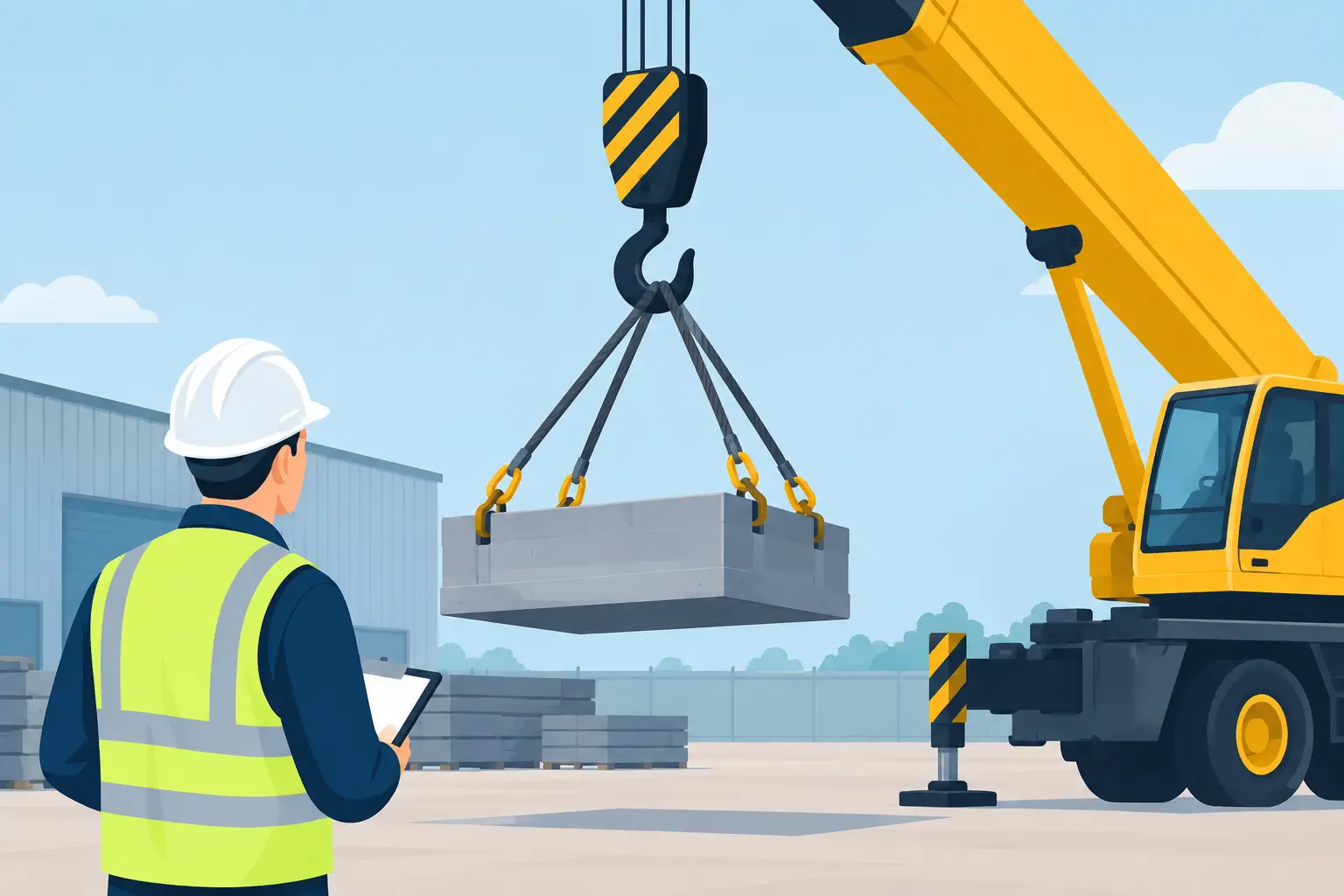
For routine lifting, ensure the load is within the marked safe working load and that the correct lifting accessories are selected. For more complex lifts, use a properly planned lifting operation. The complexity depends on the risk: awkward load geometry, restricted headroom, tandem lifting, personnel nearby, unusual travel paths and high-value plant all require greater planning and supervision.
Keep evidence ready, not buried
When an HSE inspector, customer auditor or insurer asks for documentation, speed matters. You should be able to retrieve the current thorough examination report, repair history, asset information and any outstanding defects without searching through filing cabinets or chasing contractors.
Cloud-managed records make this easier, provided the data is accurate and ownership is clear. The value is not the software alone. It is the discipline of updating records after every examination, repair, modification and asset change. Next-day documentation after a LOLER examination reduces the risk of a compliance gap caused by delayed paperwork.
Responding to defects without losing control of production
A defect report needs a proportionate response. Some findings may require monitoring or planned repair before the next examination. Others may make continued use unsafe and demand immediate withdrawal from service. The competent person’s report and the severity of the defect should guide that decision.
The commercially difficult moments are when a critical crane is needed for an active job. Continuing to use equipment with an unsafe defect is not a production strategy. It transfers risk to the people working beneath and around the load, then compounds it with potential enforcement action, lost contracts and a longer shutdown if a failure occurs.
A better approach is to establish escalation routes before the breakdown. Know who can authorise isolation, who contacts the lifting-equipment specialist, how the affected area will be made safe and whether another crane, hoist or handling method can maintain essential output. A local engineering response and access to the right replacement parts can make a material difference, but contingency planning still needs to be site-specific.
When ageing cranes need more than inspection
A thorough examination may confirm that a crane is safe at the time of examination, but it cannot make an obsolete control system, repeatedly failing hoist or structurally unsuitable installation commercially sensible. If breakdowns are increasing, spare parts are difficult to obtain or the crane no longer suits the loads and workflow, assess the asset before the next failure decides for you.
An upgrade can improve control reliability, safety features, radio control, inverter drives, load monitoring or positioning. In other cases, a new crane is the more viable route, particularly where capacity, span, headroom, hook approach or duty cycle no longer match production requirements. The right decision depends on condition, risk, remaining life, downtime exposure and the total cost of keeping the existing equipment operational.
CraneCert supports this lifecycle approach across Yorkshire, the Midlands and the North of England: thorough examination, maintenance, repair, upgrades and replacement can be managed as connected parts of one compliance plan rather than isolated call-outs.
The most useful test is simple: if a key crane were inspected tomorrow, could you show that it is safe, maintained, examined, properly recorded and being used within its limits? If the answer is uncertain, act before the next lift makes the decision for you.