How to Identify Crane Overload Before It Stops Work
Learn how to identify crane overload, stop unsafe lifts and protect compliance, people and production with clear checks for overhead crane teams daily.
CraneCert · 21 November 2026
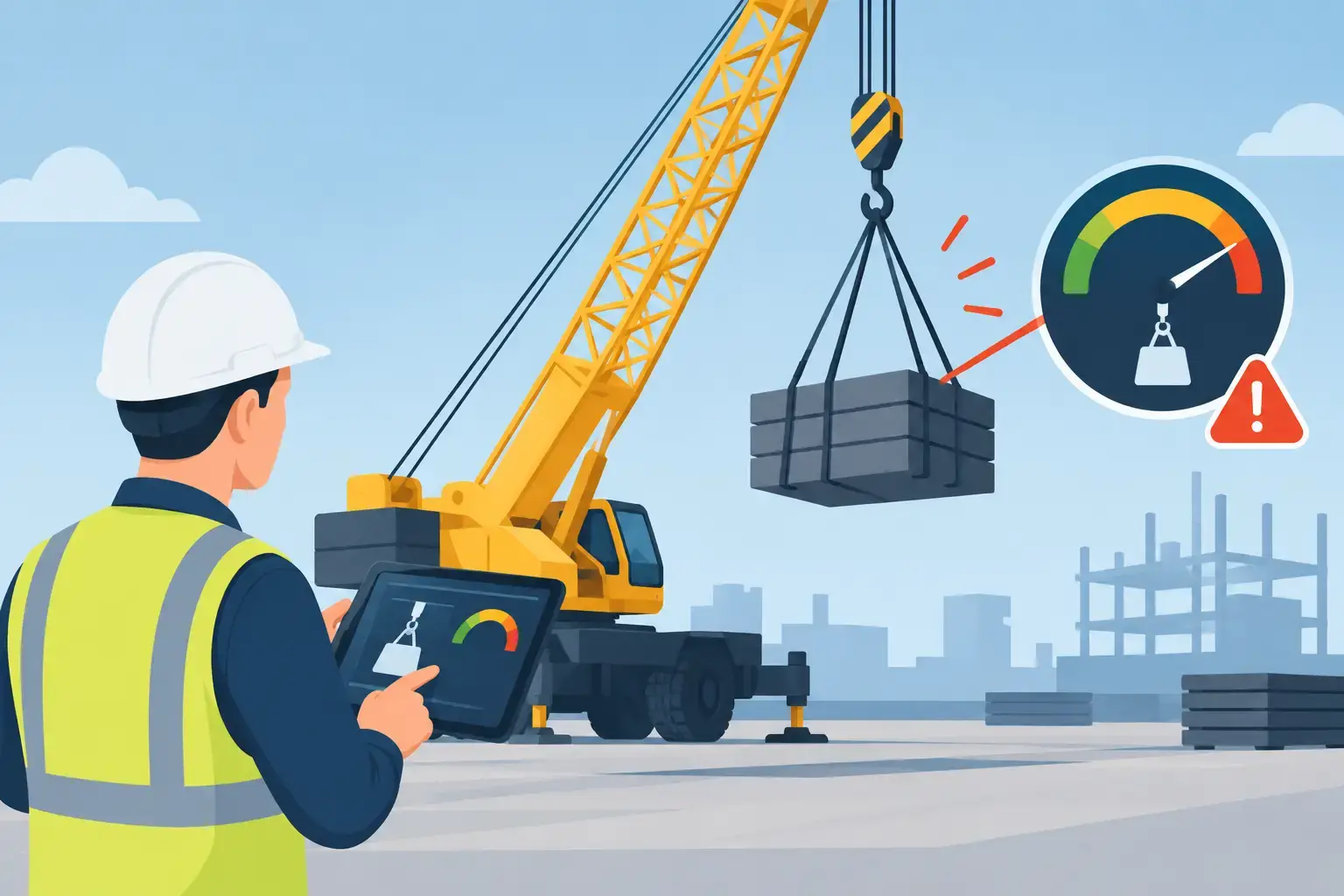
A crane does not need to fail dramatically for an overload to create a serious problem. A slowed hoist, a tripping overload device or a beam that appears to deflect more than usual can be the first warning that a lift is outside safe limits. Knowing how to identify crane overload gives supervisors and lifting teams time to stop work before an unsafe lift injures someone, damages equipment or turns into costly downtime.
For an overhead crane, overload is not simply a question of whether the load looks heavy. It is whether the total load and lifting arrangement exceed the rated capacity of the crane, hoist, runway or any item of lifting accessory in use. The correct response is always to stop, secure the area and establish the facts. Do not ask operators to “try it gently” or continue because the load is only moving a short distance.
What counts as crane overload?
Every crane has a safe working load (SWL) or rated capacity. This figure should be clearly marked on the crane and, where relevant, on the hoist. It is the maximum load the equipment is designed and certified to lift under its specified operating conditions. The capacity of a crane does not make every lift below that figure automatically safe.
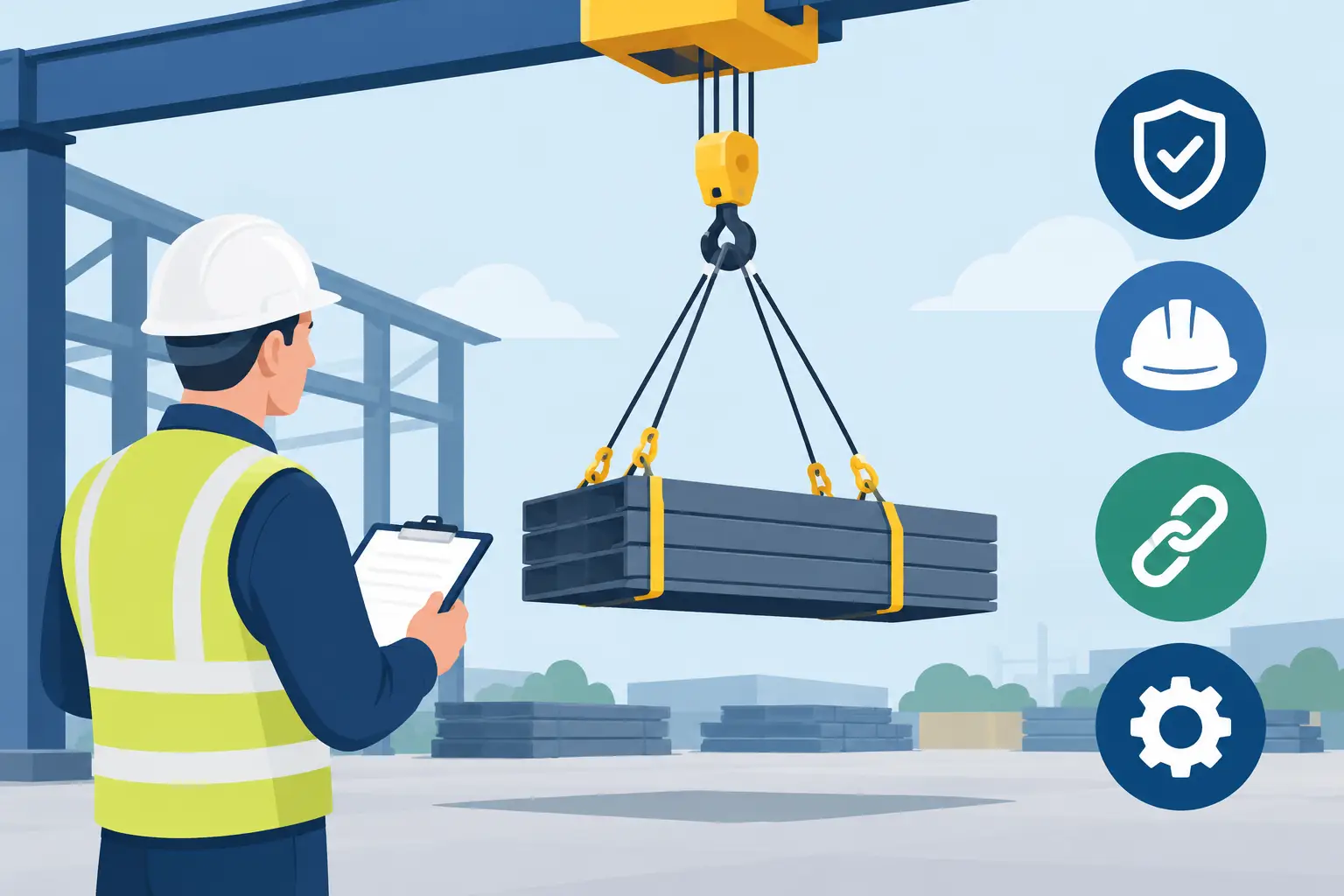
The complete lifting system must be considered. This includes the load itself, slings, shackles, lifting beams, grabs, magnets, hooks and any below-the-hook attachment. A 5-tonne crane lifting a 4.8-tonne fabrication may be overloaded once a lifting beam and rigging are added. If the load weight is estimated rather than confirmed, the risk is higher still.
There can also be restrictions caused by the lifting arrangement. Side pulling, snagging a load, lifting at an angle, shock loading and attempting to break a stuck item free can place forces on the hoist and structure well beyond the apparent weight on the hook. A load that is within capacity when freely suspended can become an overload when it catches on a fixture, floor, lorry bed or adjacent material.
How to identify crane overload before and during a lift
The most reliable method is to verify the load before it leaves the ground. Check the load weight against current drawings, material records, supplier information or a verified weighbridge record. Do not rely on visual judgement, previous assumptions or a weight marked on an item that has since been modified.
Then add the weight of all lifting accessories. This is frequently missed in busy production areas, particularly where a spreader beam or specialist lifting attachment is left connected to the hook. Confirm the capacity shown on the crane, hoist and accessories, and use the lowest rated component as the limit for the lift.
During the lift, operators should be alert to physical and electrical warning signs. These do not prove the load weight on their own, but they demand an immediate stop and assessment:
- The overload limiter activates, the hoist trips or a warning alarm is displayed.
- The hoist struggles to raise the load, moves unusually slowly or produces abnormal noise.
- The brake slips, the load creeps down or the crane behaves differently from normal operation.
- The hook block, rope, chain, trolley or bridge appears to be under unusual strain.
- The load does not break free cleanly, begins to snag or requires repeated attempts to lift.
- The crane structure, runway or supporting steelwork shows unusual movement, deflection or vibration.
An overload device is a safeguard, not a lifting aid. If it trips, do not reset it and carry on. The trip may be caused by excessive load, a snagged load, incorrect setting, a fault in the device or a combination of these factors. The crane must be taken out of service until a competent person has assessed the cause.
Watch for dynamic loading
A load can exceed safe forces even where its confirmed static weight is below the crane rating. Sudden starts and stops, high lifting speeds, slack rope being taken up sharply and swinging loads all create dynamic loading. So can travelling with a suspended load over uneven ground in a gantry application, or pulling a load sideways with an overhead crane.
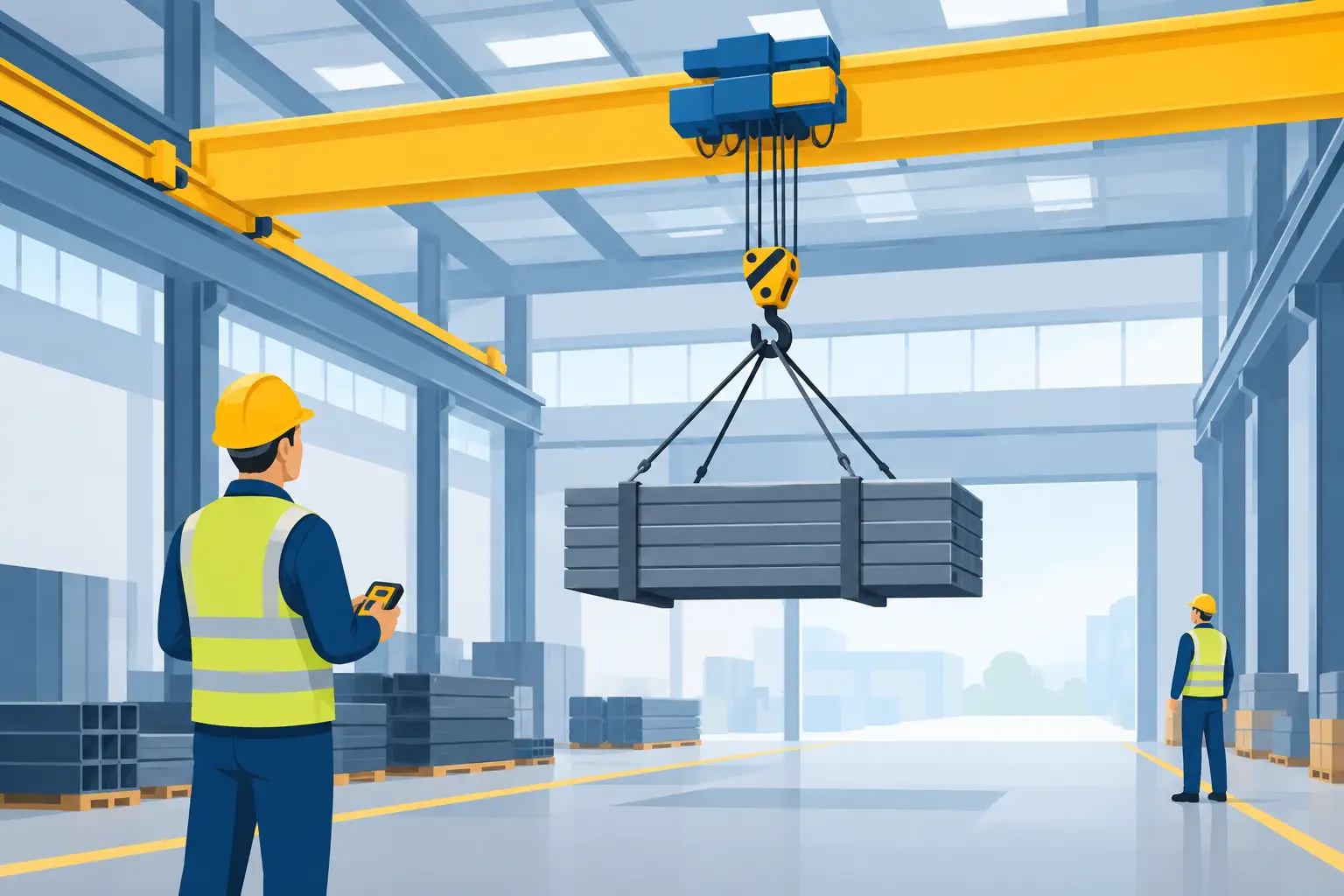
For routine handling, the operator should lift steadily, pause just clear of the ground and check that the load is balanced, free and stable. This controlled trial lift is not permission to proceed with an uncertain load. It is a check that a verified lift plan is behaving as expected.
Check the capacity of the whole lifting arrangement
Crane overload investigations often reveal that the crane itself was not the only issue. The real limit may have been a lower-capacity shackle, a sling used at an unfavourable angle, a lifting point with a restricted rating or a hoist that differs from the bridge capacity.
Sling angles are especially important. As sling legs move away from vertical, the tension in each leg rises. A pair of slings may appear adequate based on the weight of the load, but the angle can reduce the available lifting capacity significantly. The same principle applies to lifting beams, spreader frames and fabricated attachments: their marked SWL, intended orientation and inspection status all matter.
Where there are two hoists, two cranes or a tandem lift involved, do not assume capacities can simply be added together. Load sharing can change as the load moves, one hoist can take more than its intended proportion, and differences in speed or travel can introduce side loading. These lifts need a written plan, clear control arrangements and competent supervision.
Do not ignore changes in normal crane behaviour
Experienced operators are often the first people to recognise a problem because they know how a crane normally sounds and responds. A new vibration, delayed brake action, harsh gear noise or inconsistent lifting speed should be reported even if no obvious overload has occurred.
However, abnormal behaviour can also indicate faults unrelated to load weight. Worn brakes, rope damage, incorrect hoist adjustment, electrical problems and mechanical wear can all mimic the signs of overload. That is why the correct process is not to diagnose the cause from the cab or pendant. Isolate the equipment, prevent use and arrange a competent inspection.
A maintenance history helps establish whether the issue is isolated or recurring. Planned servicing should include checks on brakes, ropes or chains, hooks, limit switches, overload protection and the structural condition of the crane. It should also identify operational habits that increase risk, such as using the crane to drag material or lifting loads with unknown weights.
What to do when overload is suspected
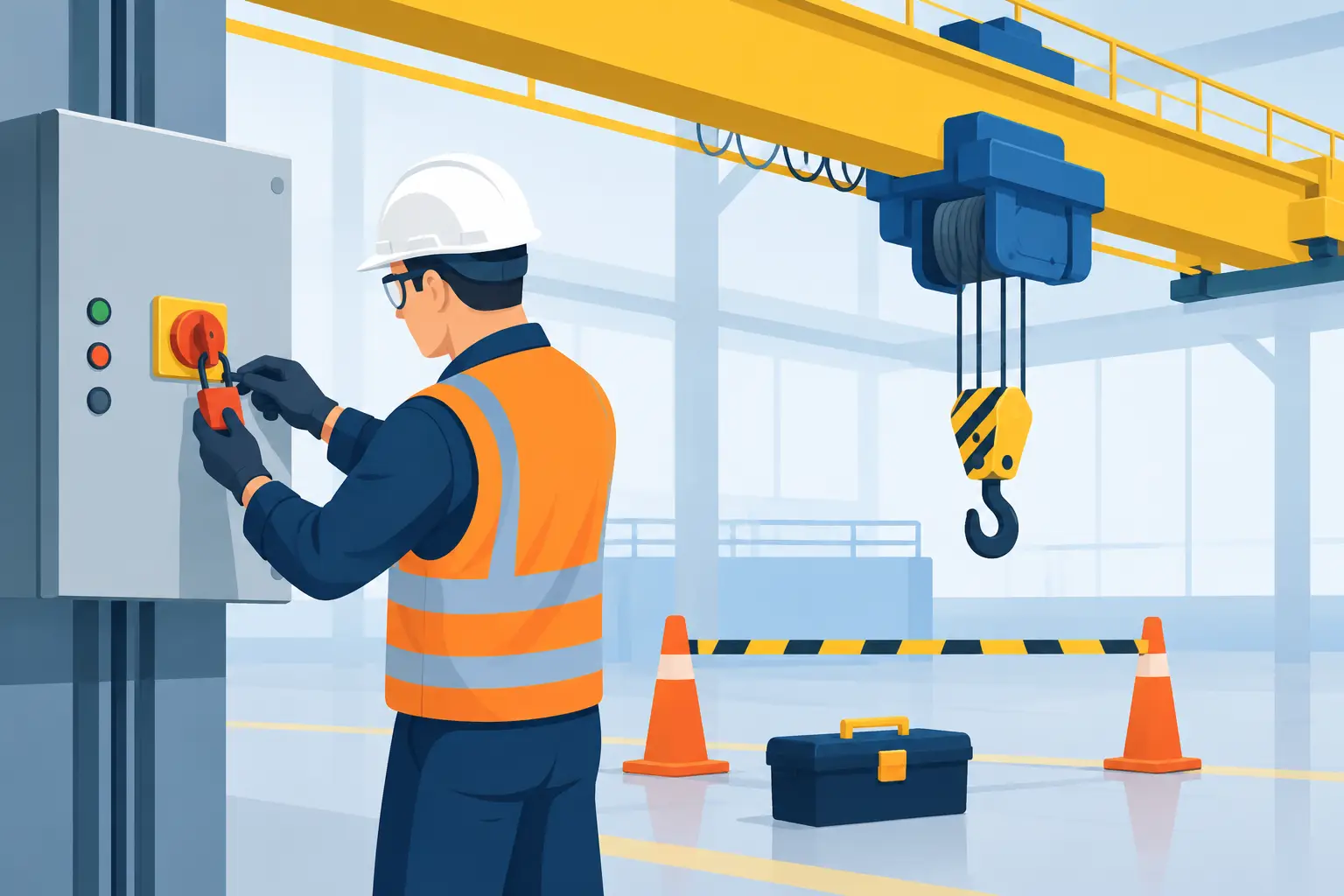
If a crane is suspected of being overloaded, lower the load safely if possible. Do not leave a suspended load unattended. Keep people clear, stop further use and report the issue to the responsible manager or appointed person.
The next step is to confirm the actual load and inspect the lifting arrangement. Check for snagging, incorrect rigging, damaged accessories and evidence that the load has shifted. If an overload limiter has operated, or if there is any sign of damage or abnormal crane performance, the crane should remain out of service pending examination and repair.
Under LOLER, lifting equipment must be thoroughly examined at the required intervals and after exceptional circumstances that could affect its safety. A suspected overload may be such a circumstance, depending on what happened and the condition of the equipment. PUWER also requires work equipment to be maintained in an efficient state, in efficient working order and in good repair.
The practical commercial point is clear: an unrecorded overload can create greater disruption later. Continuing to use a crane after a warning event can turn a straightforward inspection into component failure, lost production time and difficult questions during an audit or incident investigation.
Make overload prevention part of normal control
Good control starts before the first lift. Make sure capacities are visible, accessories are marked and current examination records are available to the people planning work. Establish a clear route for operators to report concerns without pressure to keep production moving at any cost.
For frequent or high-value lifts, record verified load weights and approved lifting arrangements. For changing production environments, review whether the existing crane capacity, hook approach, headroom and duty cycle still suit the work. A crane that was right for the original process may no longer be appropriate after heavier fabrications, new machinery or revised handling methods are introduced.
CraneCert supports industrial sites across Yorkshire, the Midlands and the North of England with planned maintenance, LOLER thorough examinations, repairs and crane upgrades. Fast access to accurate certification and competent engineering support makes it easier to act decisively when a lift does not look right.
When the load weight is uncertain or the crane gives any warning sign, stopping the lift is not lost time. It is the decision that protects people, preserves equipment and keeps the next production shift moving.