Cloud LOLER Certificate Management That Stands Up
Cloud LOLER certificate management gives you instant audit evidence, clear examination status and fewer missed actions across every lifting asset on site.
CraneCert · 14 October 2026
A production manager should not be searching through old emails or filing cabinets while an auditor waits for proof that a 5-tonne overhead crane is safe to use. Cloud LOLER certificate management puts current examination records, defects and actions in one controlled place, so the answer is available when it matters, before a lift, during an audit or after an incident.
For sites relying on overhead cranes, hoists, jib cranes or gantry systems, paperwork is not an administrative extra. It is evidence that lifting equipment has been examined, defects have been assessed and any necessary restrictions are understood by the people operating the equipment. If records are missing, out of date or held by the wrong person, the business carries unnecessary safety and operational risk.
What cloud-based LOLER management should solve
LOLER requires lifting equipment to receive thorough examination at defined intervals, or in accordance with a written scheme of examination where appropriate. For most lifting equipment used to lift people, that interval is six months. For other lifting equipment, it is generally 12 months. The right interval depends on the equipment, how it is used and the examination scheme in place.
The challenge is rarely one certificate in isolation. A typical industrial site may have several cranes, electric chain hoists, wire-rope hoists, lifting beams, slings and accessories, each with its own identification number, examination date, defect history and next due date. Add multiple shifts, multiple bays and different responsible managers, and a paper-led system soon becomes unreliable.
A properly managed cloud system creates a live record for each asset. It should make it straightforward to identify what has been examined, what is due next, what has failed and whether a defect requires the equipment to be taken out of service. That changes compliance from a last-minute paperwork exercise into a visible maintenance control.
Why certificates alone are not enough
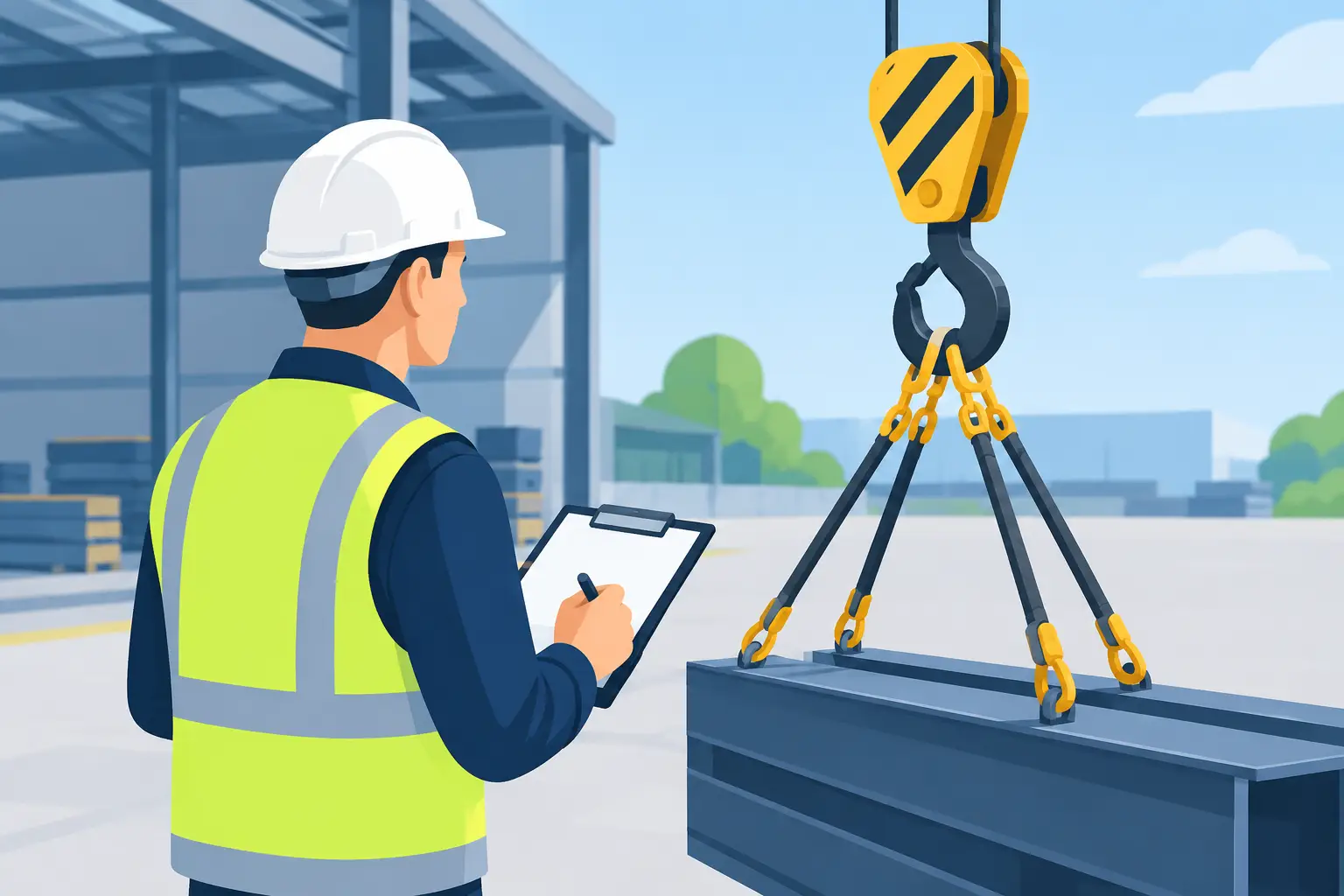
A LOLER report is valuable only if the findings lead to the right action. A certificate showing a defect, limitation or recommendation must be reviewed by a competent person within the business and communicated to the people who plan and carry out lifting operations.
For example, an examiner may identify worn hoist rope, damage to a pendant control, excessive brake wear or a safety device that needs attention. Some findings can be planned into maintenance. Others may mean the crane or hoist must not be used until repaired. A cloud record should help distinguish between those situations, rather than leaving a report attached to an email with no clear owner.
This is where operational control matters. Managers need to see the status of every lifting asset without interpreting lengthy documentation under pressure. Green does not simply mean a certificate exists. It should mean the equipment is within its examination period and any recorded actions have been properly closed out. If an item is restricted or unsafe, that status needs to be clear to maintenance, production and site management.
The difference between LOLER and PUWER records
LOLER thorough examinations and PUWER inspections are related but not interchangeable. LOLER concentrates on the lifting equipment and lifting accessories used for lifting operations. PUWER covers the wider suitability, condition, maintenance and safe use of work equipment.
An overhead crane may therefore need both LOLER examination records and PUWER inspection evidence, alongside servicing reports and repair history. Keeping these records together gives a more complete picture of asset condition. It also prevents a common failure: assuming that a recent service visit automatically satisfies statutory examination requirements.
What good cloud LOLER certificate management looks like
The value is in control, not simply storage. A scanned PDF saved online may be easier to find than a paper copy, but it does not automatically tell you which crane is approaching its due date or whether an outstanding defect has been rectified.
A useful system links each report to a clearly identified asset. For cranes, that normally includes location, safe working load, equipment type, manufacturer, serial number where available, and a unique asset reference. The record should then show the examination date, next due date, report outcome and any defects or observations.
Automatic reminders are particularly useful where equipment is spread across different buildings or sites. They give managers time to arrange access, avoid examination dates clashing with critical production work and ensure equipment is available for inspection. This is not about delaying statutory work around production. It is about planning it properly so compliance does not create avoidable downtime.
Access also needs to be practical. The facilities manager may need an audit pack. The maintenance manager may need defect details and repair history. A production manager may only need to know whether the crane can be used. Cloud access allows each person to obtain the information they need without relying on a single office-based file holder.
How to set up records without disrupting production
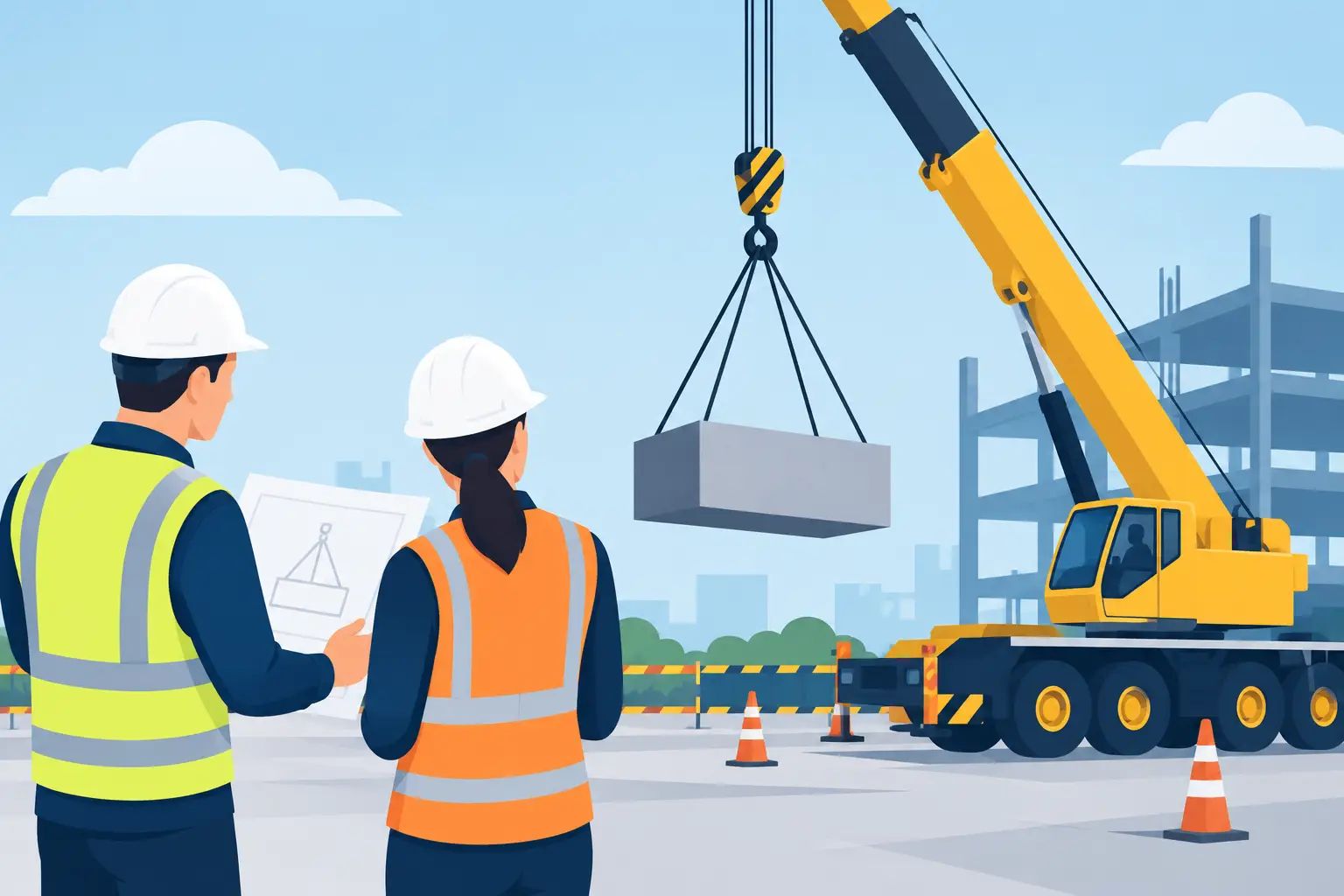
The first step is an accurate asset register. Do not assume the existing list is complete. Walk the site, identify every lifting appliance and accessory, check markings and confirm where each item is used. This often exposes duplicate descriptions, missing serial numbers and equipment that has been moved between bays without the records following it.
Next, establish the current status. Gather existing LOLER reports, PUWER records, service sheets and repair documentation. Where dates are unclear or evidence is missing, treat that as a compliance issue to resolve rather than an administrative gap to ignore. Equipment should not remain in service on the assumption that its certification is probably current.
Then agree responsibilities. Someone should own the asset register, but they should not be the only person able to access it. Define who receives due-date reminders, who authorises repairs, who confirms defects are closed and who can take equipment out of service where necessary. This avoids the dangerous gap between an examiner raising a fault and someone acting on it.
Finally, connect certification to maintenance planning. A thorough examination identifies condition at a point in time. Planned servicing helps prevent defects developing between examinations. For a heavily used double-girder crane in a fabrication bay, the duty cycle, environment and load profile may justify more frequent maintenance than a lightly used jib crane in a stores area. The records should support that decision with evidence, not guesswork.
Audit readiness is a production issue
An audit can arrive through a customer requirement, insurer review, internal health and safety check or enforcement visit. The immediate request is often simple: show the current LOLER certificates for the lifting equipment in this area. The wider test is whether the business can demonstrate control.
Cloud-managed records help you produce the relevant documentation quickly, but speed is only part of the benefit. They also show a clear chain from examination to action. If a defect was identified, the record should show what happened next: repair, replacement, restriction, removal from service or further assessment.
That matters after an incident too. If a load is damaged, a near miss occurs or a crane fault interrupts production, investigators will look beyond the latest certificate. They will want to understand the equipment history, known defects, maintenance activity and whether recommendations were acted upon. Clear records protect people first, while also helping the business demonstrate that it has managed its responsibilities properly.
Avoid the common weak points
Cloud systems can still fail if the information entering them is poor. The most common problems are vague asset names, certificates uploaded against the wrong item, closed defects with no repair evidence and reminders sent to people who no longer work at the site.
There is also a trade-off between simplicity and detail. A small workshop with one electric hoist does not need an overcomplicated approval process. A large manufacturing site with multiple cranes, lifting accessories and shift teams needs stronger controls, particularly where a defect may affect production planning or safe access to a work area. The system should suit the risk and scale of the operation.
It is equally important not to treat cloud records as a substitute for competent examination and engineering judgement. They improve visibility and accountability, but they do not repair worn components, assess structural condition or decide whether equipment is safe to lift with. Those tasks still require the right people on site.
Make compliance easier to prove
For industrial sites across Yorkshire, the Midlands and the North of England, the strongest arrangement combines timely thorough examinations, planned servicing, prompt repair support and records that can be retrieved without delay. CraneCert can provide cloud-managed certification alongside LOLER examinations, PUWER inspections and crane maintenance across a wide range of makes and models.
Start with the asset register. Once every crane, hoist and lifting accessory has a clear identity, current status and accountable owner, compliance becomes easier to manage and far harder to overlook. When the next audit request lands, your team should be able to provide the evidence straight away and get back to keeping production moving.